Meet the Author: Didier Di Mario
Updated: 15/06/2026 | Published: 10/06/2026
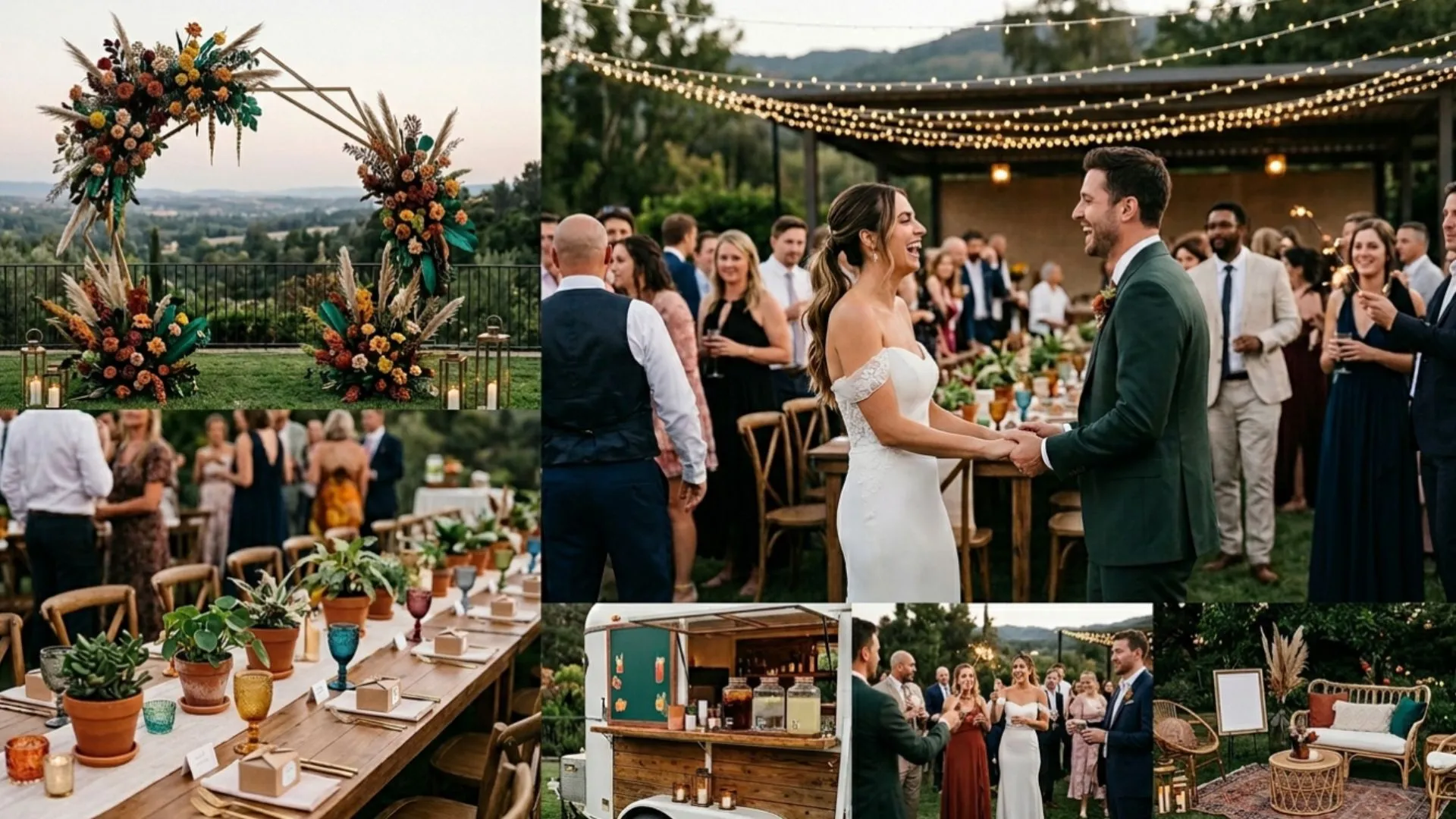
There’s a version of a wedding that looks exactly the way weddings have always looked - matching centrepieces, a string quartet, a three-tier cake, and everyone seated in rows. Some couples still want exactly that, and there’s nothing wrong with it. But it’s not the only option anymore, and for a lot of people planning their day right now, it doesn’t even come close to what they have in mind.
What’s happening to wedding trends at the moment is genuinely interesting. Personalisation has moved from a nice extra to an actual expectation.
Not so long ago, a wedding without a sit-down dinner felt slightly incomplete or at least suspicious to certain relatives. But now, that’s changed.
The latest wedding trends point clearly toward something simpler and more considered. Couples are choosing venues that offer a blank canvas rather than a package deal. Industrial spaces, converted barns, art galleries - places that don’t come pre-decorated in burgundy carpet and uplighting nobody asked for.
The modern wedding is less about ticking every traditional box and more about deciding which boxes actually matter. Cocktail-style receptions, where people move freely rather than sit in assigned seats for three hours, have grown significantly in popularity. The shift is subtle, but it changes everything about the atmosphere.
Several things are happening simultaneously, which is part of what makes this an interesting moment.
Small weddings (under fifty people) are still genuinely popular. Couples who’ve had them often say the same thing: they actually got to speak to everyone there. Outdoor venues are pulling well ahead of formal indoor rooms for ceremony choices. Gardens, vineyard terraces, clifftops - the backdrop does a lot of the work.
Lighting has become a serious design element. Fairy light tunnels, neon signage, structured candle arrangements - the right lighting transforms a fairly ordinary space into something different.
Photography is moving sharply away from stiff, posed shots. The editorial, documentary-style (catching people mid-laugh, candid moments, real emotion) is what most couples want now and what makes for a genuinely trendy wedding. The latest wedding trends are also showing a real appetite for intimacy over spectacle, which is a phrase that gets used a lot, but most couples seem to mean it genuinely.
A theme used to mean colour-coordinated napkins and matching bridesmaid dresses. Now trending wedding themes serve as a genuine creative brief for every element of the day: décor, attire, food, flowers, transport, all of it:
Minimalist luxury. Clean lines, high-quality materials, nothing excessive - aspirational without being ostentatious.
Garden romance. Lush greenery, soft pastels, and whimsical details that photograph beautifully outdoors.
Boho chic. Earthy tones, pampas grass, and warm textures - a well-established trend that isn’t going anywhere.
Destination-inspired. A Provence feel in rural England or a Greek coastal aesthetic in a barn - personal, cohesive, and visual.
A trendy wedding in 2025 has a coherent visual story running through it, from the invitation to the final guest’s departure.
This is the section most couples get most excited about planning. Unique wedding trends have moved well beyond personalised wine labels and into genuinely memorable territory:
Interactive food stations (live pizza ovens, oyster bars, elaborate cheese tables) give guests something to do and something to talk about later.
Personalised vows, written from scratch rather than adapted from a standard text, tend to be the moment guests remember most clearly.
A painter capturing the ceremony on canvas in real time.
A brass band that starts the evening playing something jazzy and ends it performing something completely unexpected.
A tarot card reader at the evening reception is either wonderful or divisive, depending on your crowd - know your guests.
Non-traditional ceremony formats are also appearing more regularly. Seating guests in a circle around the couple changes the whole feeling of the vows; suddenly, there’s no “good side” and no one craning their neck from row twelve.
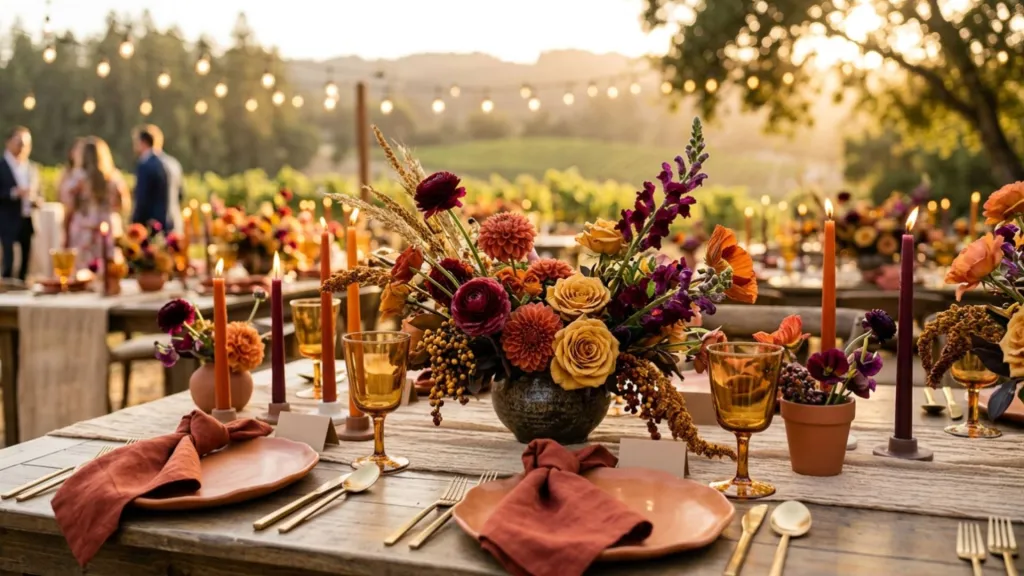
When it comes to transforming a space, designers are using fresh, trendy wedding ideas. It’s to create maximum emotional impact. The goal is to make the venue feel alive, welcoming, and visually striking:
Floral Installations. Hanging flower clouds and living walls are replacing standard table centrepieces to save space and add drama.
Bold Colour Palettes. Couples are moving away from all-white weddings. And they’re embracing rich jewel tones, terracotta, and deep sunset hues.
Mixed-Material Tablescapes. Combining velvet ribbons, colored glassware, textured linens, and matte ceramic plates for a rich, layered look.
Sustainable Decorations. Using potted plants, repurposed ceremony blooms, and rented items to reduce the environmental footprint.
These intentional design choices ensure the venue looks beautiful. Meanwhile, it can reflect a conscious effort to design a meaningful space.
Bridal fashion is in the middle of a fairly interesting identity shift.
Heavy beadwork and structured silhouettes that defined wedding dresses for decades are giving way to simpler, cleaner cuts. Minimalist gowns paired with a statement accessory (a coloured shoe or an embellished veil) tend to photograph better anyway, and they’re easier, actually, to wear for twelve hours straight.
The second look has become standard at higher-budget weddings. Changing into a shorter dress or a tailored jumpsuit for the reception is practical, but it’s also become a moment in itself - guests expect it and respond to it. Grooms are doing more interesting things with colour and fabric: hunter green, deep navy, textured tweed. Black tie is fine. It’s just not the only option, and more grooms seem to be realising that.
This is arguably where wedding trends have shifted furthest in recent years. The question couples are asking now is “will people still be talking about this six months later?”
Audio guestbooks, where guests leave voice messages rather than writing in a book, are genuinely lovely and easy to revisit years down the line. Custom fragrance bars are unusual enough to be memorable without being confusing. Upgraded photo booth options - 360-degree video cameras, black-and-white glam setups - give guests something tangible to take home beyond a standard print.
The arrival experience matters here too, and it’s often overlooked. Stepping out of a 1930s Beauford Convertible or a classic Rolls-Royce Silver Cloud before a garden ceremony sets a tone before a single word has been spoken. After 30 years and more than 28,500 couples, we can say with some confidence: guests remember the car.
The environmental question is landing differently than it was five years ago. It’s less of a niche concern now and more of a baseline consideration for most couples.
Digital invitations are genuinely well-received - no one’s affronted by a thoughtfully designed e-invite. Farm-to-table catering, seasonal menus, and local suppliers: these improve the food and reduce the footprint. Donating leftover flowers to a local hospital or hospice has become widely adopted and requires almost no extra organisation.
Wedding trends around sustainability aren’t a compromise on style - if anything, they tend to make the day feel more considered and more coherent. The couples who plan with an environmental conscience often produce the most distinctive results.
Your transport is part of the experience too. At Premier Carriage, we’ve been chauffeuring couples to their ceremonies since 1996 - with over 900 chauffeur-driven vehicles across the UK, from a 1967 VW Campervan to a current Rolls-Royce Cullinan. Whatever your theme, there’s a car that fits it. Check availability for your wedding date in under two minutes.
We use essential cookies to run this website. With your permission, we also use analytics, marketing and optional embed tools such as chat, maps, videos and social posts.
Read our cookie policyManage cookie preferences
Essential cookies are always on. Optional categories are off unless you choose them.
Essential
Required for site security, quote forms, bookings, payments and remembering your cookie choices.
